
Forest Plantations
on Private Farmlands
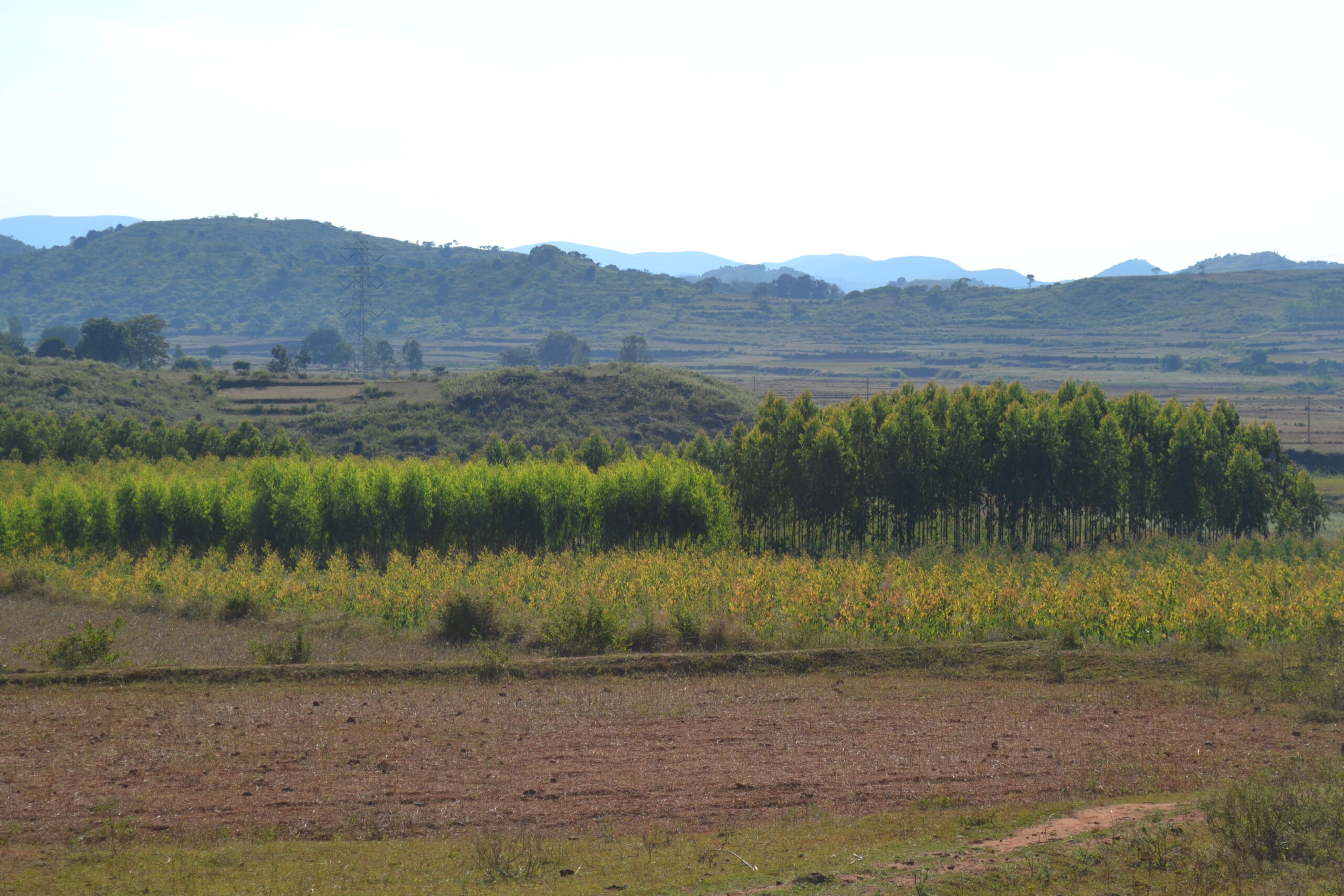
Plantation forests are planted on private farmlands, consisting of one or two tree species, and are actively managed – often with inputs like fertilization, etc. – to optimize growth and yield. Strong market demand and other factors have led to an increase in the area covered by forest plantations. Wood production from these plantations has provided economic benefits to farming communities across India. The timber from forest plantations is used in paper and pulp production, as well as other wood-based industries.
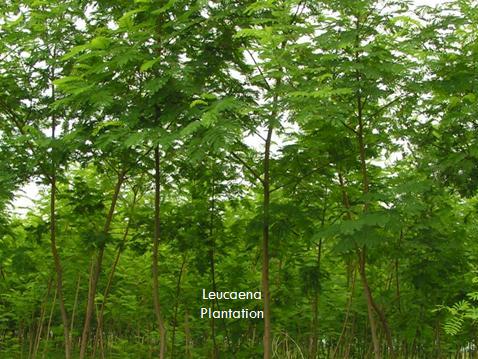
The area devoted to forest plantations has increased over recent decades (FAO 2020) due to growing demand from wood-based industries and higher productivity compared to natural forests. In India, forest plantations primarily consist of short-rotation tree species like Eucalyptus, Casuarina, Acacia, Leucaena (subabul), and bamboo, depending on the regional climate and market conditions. These plantations are known as ‘Trees Outside Forests (TOF)’ and supplement existing indigenous forests.
TOF plays a significant role in India. These plantations relieve pressure on forest resources and conserve farmland. They positively influence urban growth, benefit the environment, and increase farmers’ incomes. TOF contributes to sustainable agriculture and strengthens rural household economies.
Each year, indigenous forests in India are cleared for fuelwood and to make way for crops and settlements. Forest plantations complement indigenous forests. According to the 2023 India State of Forest Report (ISFR) by the Forest Survey of India, the “Trees Outside Forest” area covers 112.014 km², accounting for 3.41% of India’s geographical area.
Benefits of Forest Plantations
In response to emerging extreme climate events and increasing temperatures, innovative solutions such as planting trees are necessary. With limited areas of indigenous forests, increasing green cover in the country requires planting trees, both commercial and non-commercial, on private farmlands.
Environmental Impact
Carbon Sequestration: TOF helps reduce India’s carbon footprint by absorbing CO2.
Climate Regulation & Mitigation: Stabilizes local micro-climates and mitigates extreme weather events.
Soil Improvement: Enhances soil aeration and productivity through nutrient cycling.
Water Conservation: Trees capture and store rainwater, improving water availability in drought-prone areas.
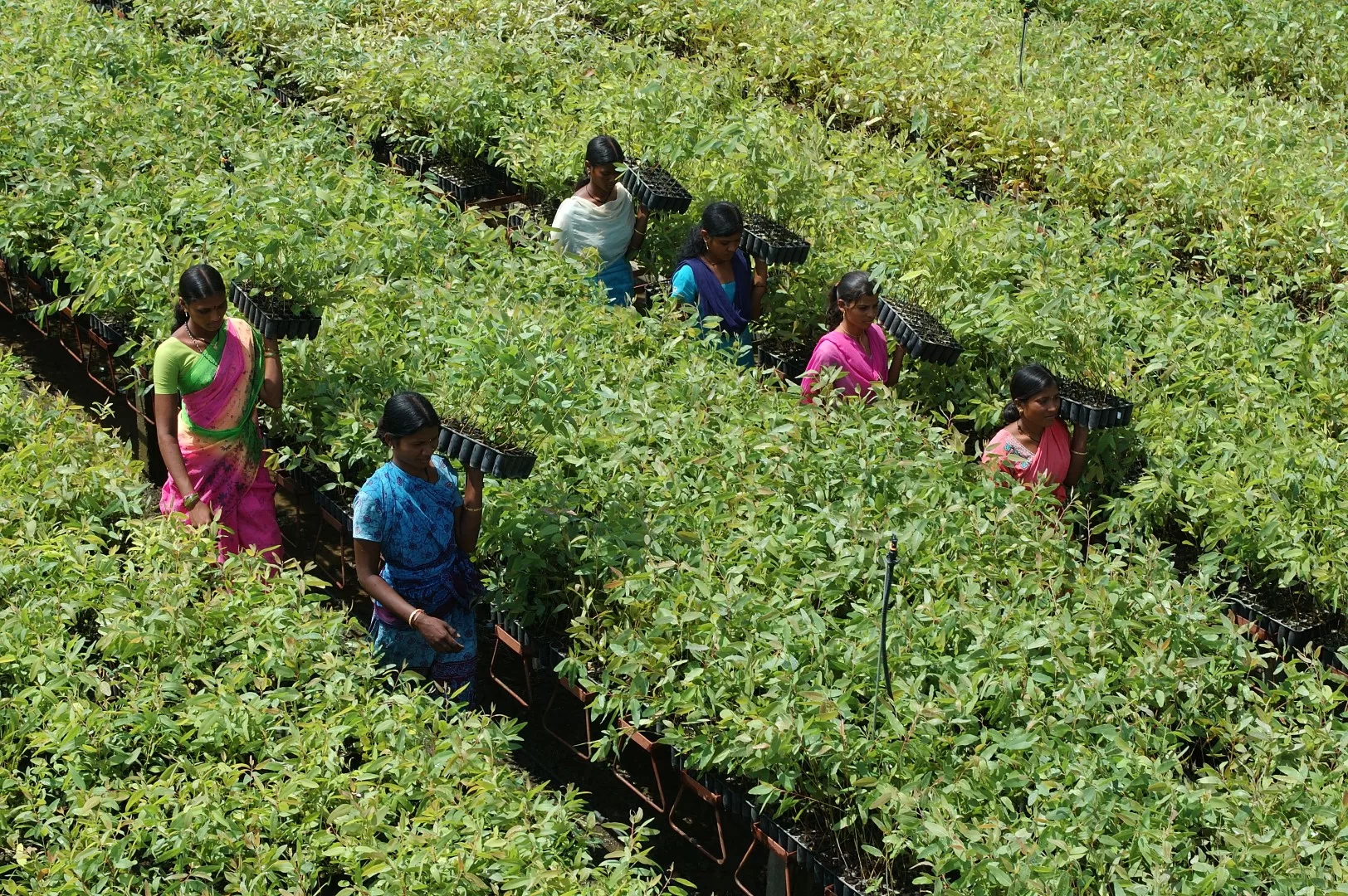
Urvara Krsi’s forestry program goes beyond trees and timber. We focus on uplifting communities, particularly tribal farmers, and empowering women by building their skills. Women make up 80% of our nursery workforce, demonstrating our commitment to social equity. These plantations generate rural employment throughout their lifecycle, thereby reducing migration.
Our partnership delivers measurable environmental, economic, and social impacts. Forest plantations provide value beyond timber, contributing to land rehabilitation, climate change mitigation, and local economic development.
Economic Benefits
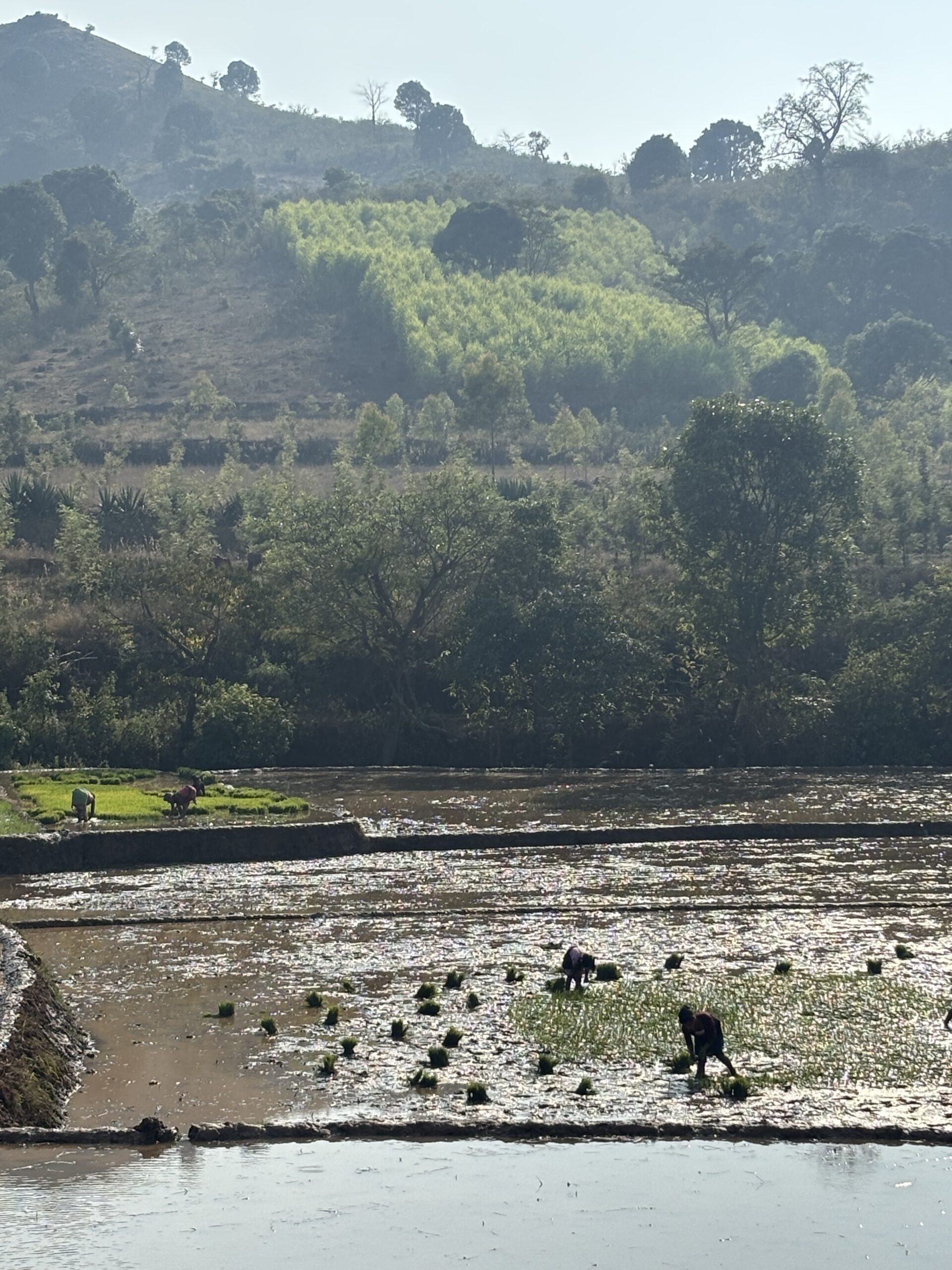
Livelihoods: Tree plantations significantly contribute to livelihood in India. By planting trees on farmland, communities can generate income and enhance food security. The landless workforce is employed in plant production nurseries and in various activities of planting, harvesting etc. in a plantation cycle creating avenues for earning sustainable income.
Resilience: Helps communities build resilience to climate change.
Fodder for Livestock: Trees like subabul and Acacia provide valuable fodder, improving animal health and milk production.
Urvara Krsi’s Forest Plantation Program Includes Two Models
Farm Forestry
Tree plantations in rain-fed degraded lands. Contributes to land rehabilitation, enhance land productivity, and increase farm income.
Agro Forestry
Tree plantations with crops. Mitigate climate change and boost farm income.
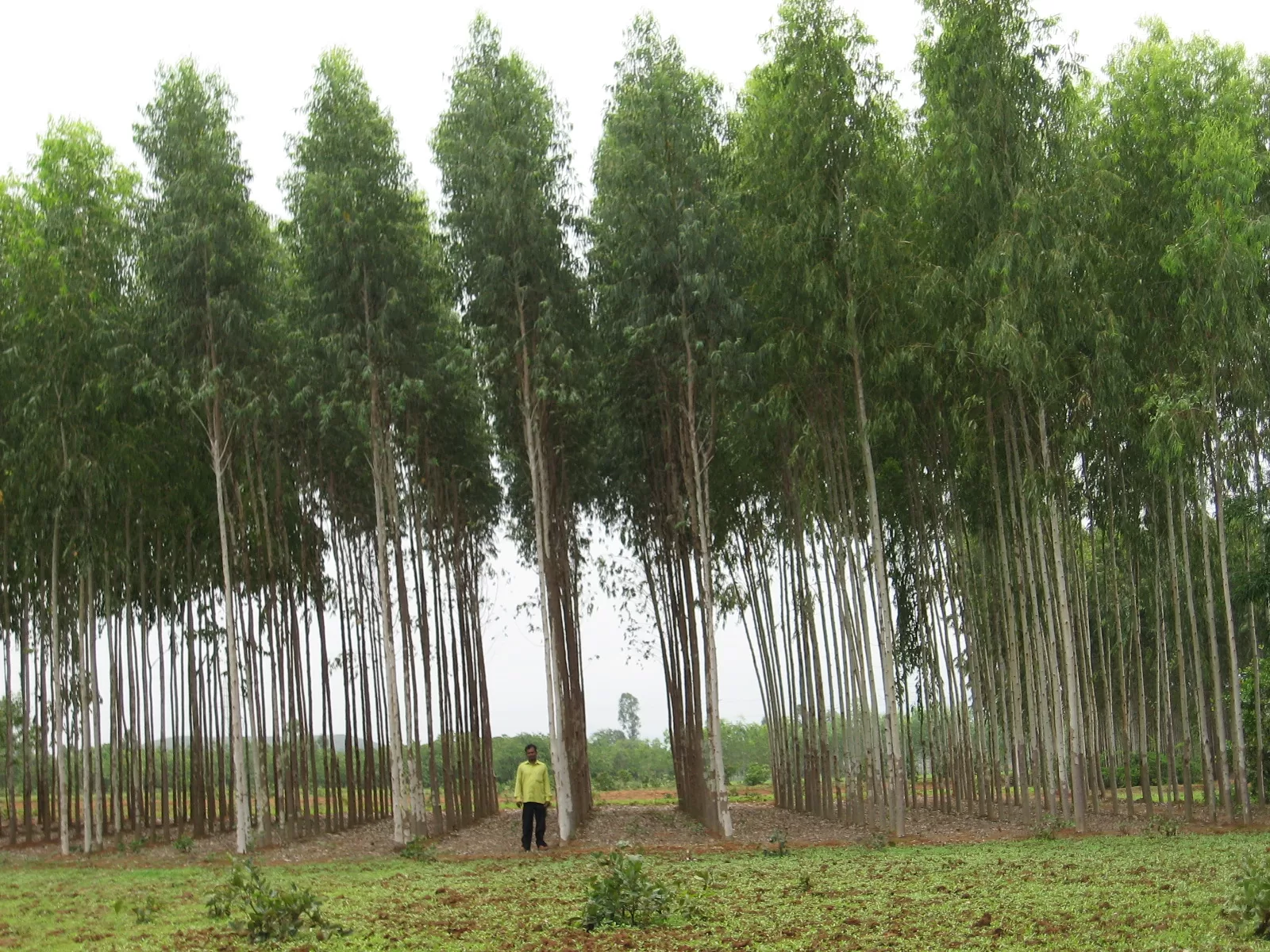
Our forest plantations primarily consist of commercial trees, with nearly 90% being Eucalyptus. This species is ideal for degraded, rain-fed lands and increases farm income. Eucalyptus does not require fencing, as cattle avoid young plants. The trees are mostly disease- and insect-resistant, which minimizes pesticide use and benefits both soil and the environment.
Urvara Krsi's Forest Plantations Programs include the following components
Nursery and R&D
Advanced Eucalyptus Clonal Nurseries, supported by strong R&D, produce high-yielding, site-specific clones - 10 million saplings per year.
Extension Services
Farm advisory and training services for sustainable forestry plantations.
Customers
We prioritize customer needs, satisfaction, and building strong relationships. We work closely with farmers through the Plantation Cycle for higher productivity & farm income.
Carbon Sequestration
Support individual farmers with limited resources through consolidation, financing, and involvement of relevant agencies to assess and verify carbon sequestration in these plantations.
Rural Employment & Livelihoods
We focus on skill development and training to boost local employment and improve income opportunities for sustainable rural livelihoods. Our nurseries employ 80% local women. The landless work force is employed in various plantation activities in farmer fields.
Tree Clonal Plants and Seedling Production Nurseries
Urvara Krsi operates two eucalyptus clonal production nurseries located in Maharashtra and Odisha, with a combined annual production capacity of 10 million saplings.
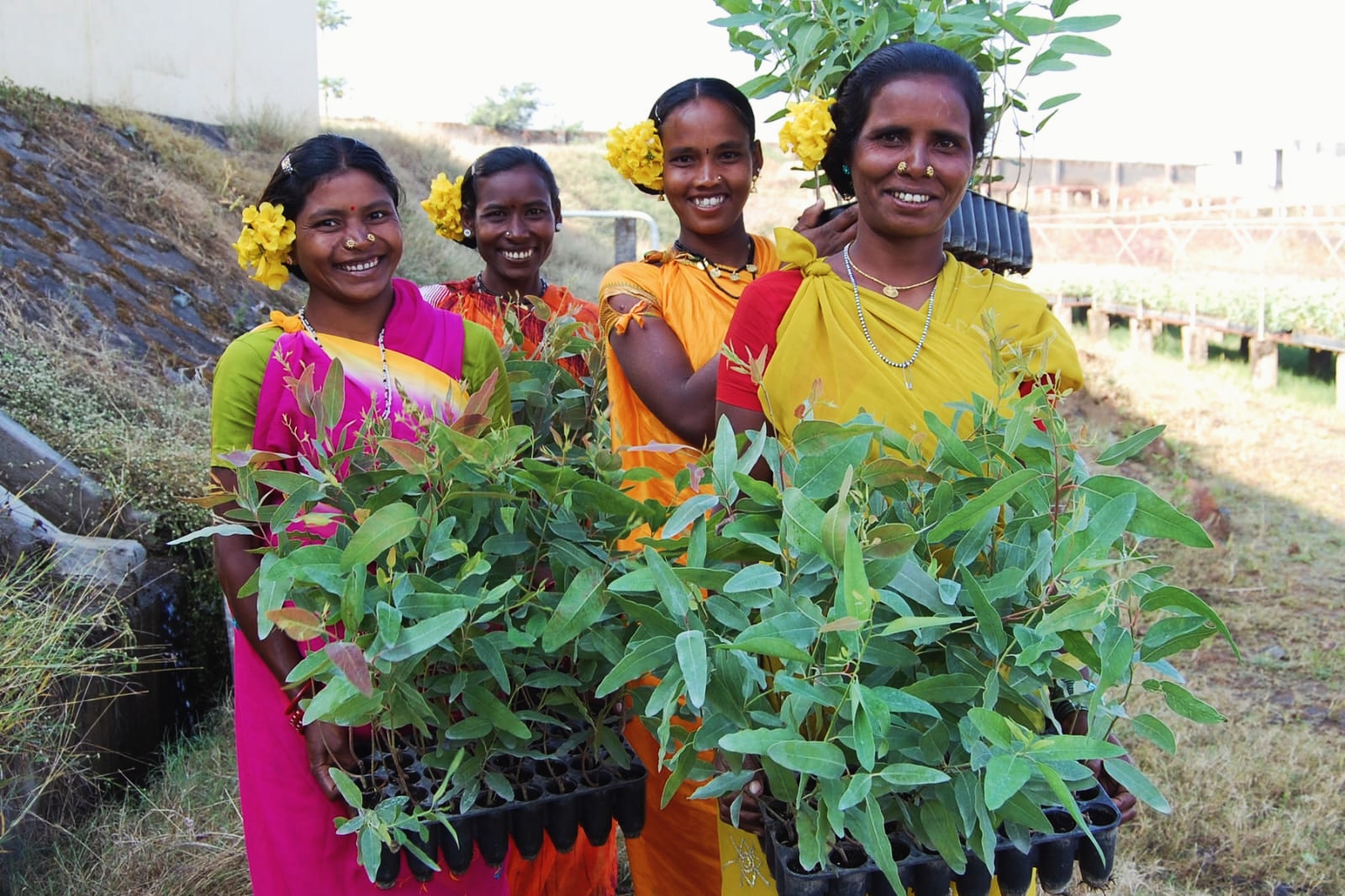
These standalone nurseries adhere to technological standards, hygiene protocols, and production norms to ensure high-quality output. Each day, 80–100 workers from nearby villages are employed at our nurseries, with 80% of them being women. These women receive skill development training in clonal plant production while earning government-mandated wages in a safe local work environment, significantly contributing to their household income.
Our specialized clonal production team ensures each plant is true-to-type and clearly labeled. We provide farmers with clones specifically suited to their land conditions and preferences. Additionally, Urvara Krsi offers convenient doorstep delivery of clonal plants to farmers.
Research & Development (R&D)
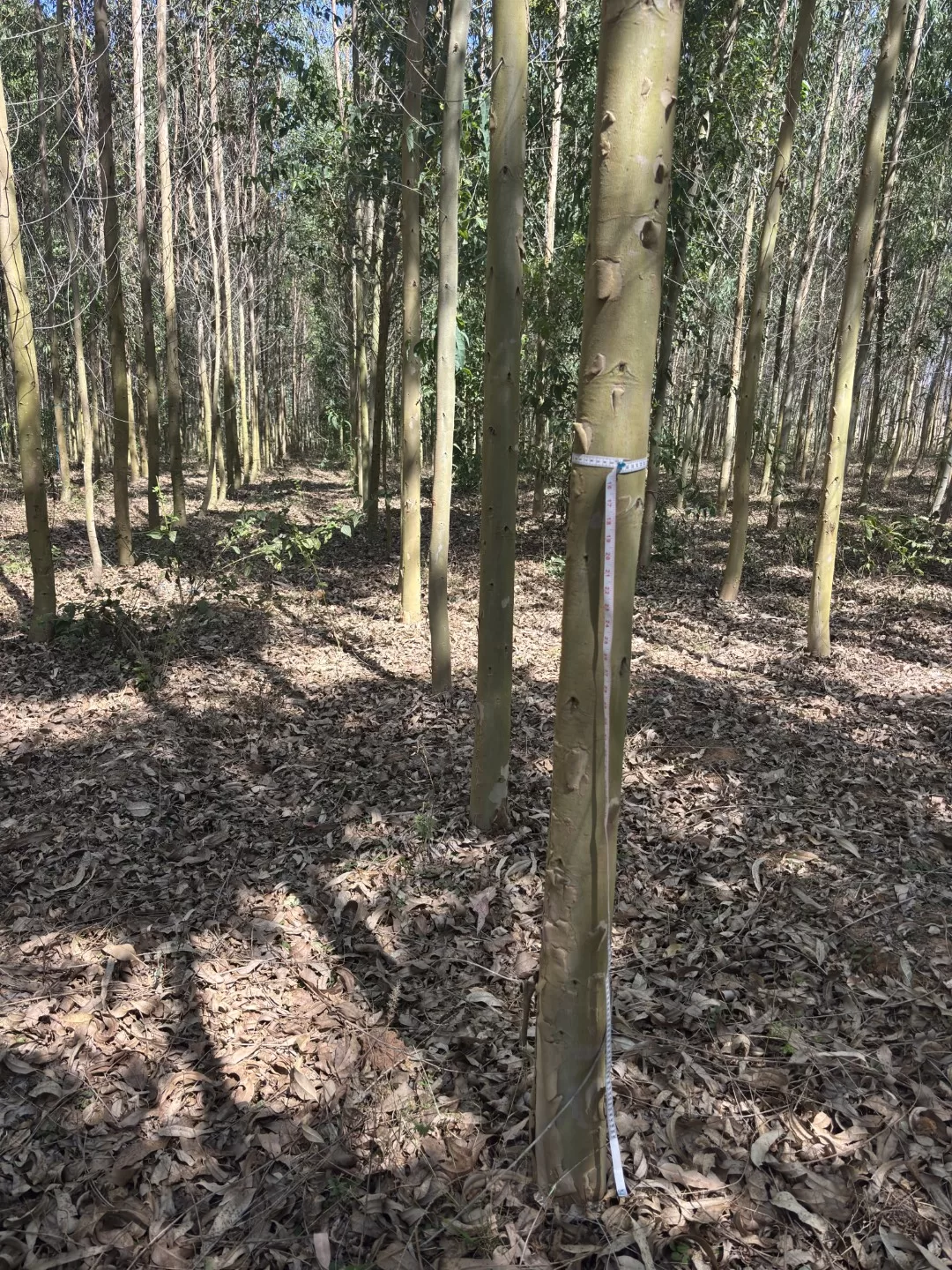
Urvara Krsi prioritizes innovation by developing high-productivity clones through advanced selection and hybridization techniques. We conduct research trials on agroforestry systems and new clonal varieties, with findings regularly published in leading forestry journals.
Urvara Krsi founder & CEO, Dr. Suchita Bhandari, as co-author of the 2020 publication Agroforestry with Commercial Clonal Plantations in India, provides comprehensive insights into India’s commercial forest plantation sector. The book presents scientific recommendations to:
- Enhance tree growth outside forests
- Boost plantation productivity
- Maximize the environmental benefits of sustainable agroforestry
Extension Services
For the successful execution of any forestry, horticulture, or agriculture initiative, a well-equipped extension services team is essential. The extension team plays a pivotal role in disseminating information about processes and markets while providing technical guidance on crop cultivation. By empowering rural farmers with comprehensive knowledge and alternative solutions, we enable them to make informed farming decisions.
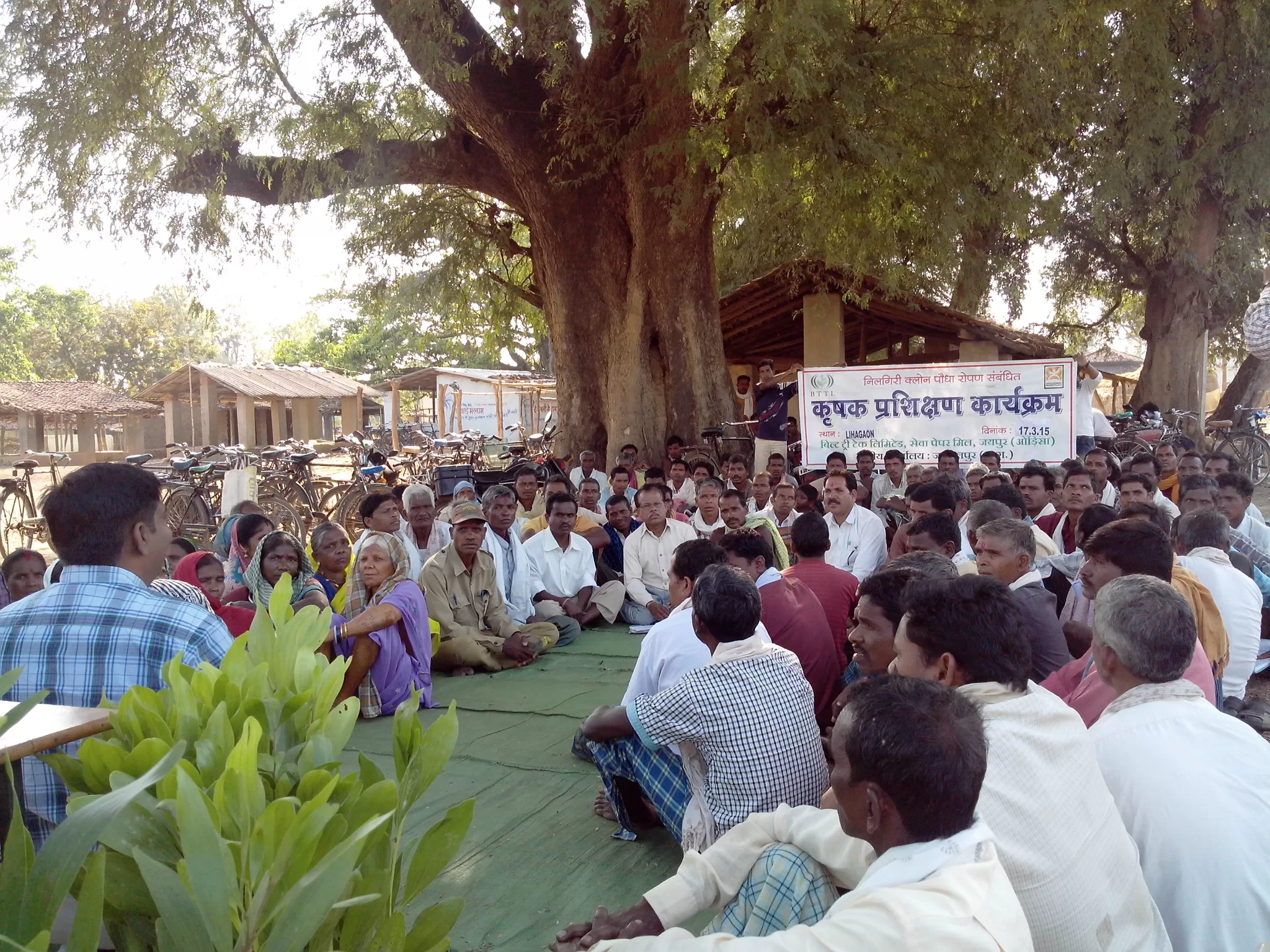
Initially, Urvara Krsi’s extension team engages with farmers to raise awareness about tree plantation programs, clearly outlining the associated costs and benefits to encourage participation. Once onboard, farmers receive training in sustainable tree plantation practices designed to maximize productivity and wood yield.
Urvara Krsi’s dedicated extension services unit employs multiple tools to enhance farmer awareness, deliver technical skills training, and share critical market insights. Our field personnel regularly participate in expert-led training programs to maintain up-to-date knowledge.
Our field representatives conduct on-site visits to evaluate soil quality and depth, ensuring land suitability for plantations. For irrigated land, we arrange comprehensive soil and water testing. Farmers receive expert recommendations on plantation strategies based on land suitability assessments. Additionally, they undergo training in Sustainable Plantation Practices and receive continuous market updates to facilitate informed sales decisions.


Customers
Farmers are our main customers as they plant trees on their lands for additional income. Urvara Krsi also provides plants to wood-based industries and forest departments upon request. We can promote tree planting around manufacturing units like pulp and paper mills to develop their raw material sources.
Carbon Sequestration
Afforestation in India removes carbon dioxide from the atmosphere through photosynthesis, establishing forests as vital carbon sinks. Our program specifically focuses on planting trees in degraded lands and other suitable areas.
UKPL supports carbon credit assessment and evaluation for farmlands participating in its Forest Plantations program. The initiative brings farmers together, facilitates financial arrangements, and partners with agencies to measure and validate carbon sequestration in these plantations.
The resulting verified carbon credits become tradable in voluntary markets. These projects undergo verification by Verra, ensuring their environmental integrity.
Rural Employment
- Creating jobs for local workers in nurseries and plantations.
- Empowering women by hiring 80-100 daily wage workers per nursery, with 80% being women. Training tribal women in nursery techniques and offering steady employment.
- Promoting rural development by providing opportunities and training to encourage locals to remain in rural areas.
- Economic benefits and upliftment of rural farmers through higher incomes from high yielding plantations.
Our Social Commitment
• Success is measured by lives uplifted and saplings planted
• Enhancing land productivity and income of small tribal farmers through forest plantations
• Farmer education & training programs on plantation techniques
• Prioritizing women’s employment (80% nursery workforce)
• Creating job opportunities for the landless in rural areas
Partner with us to build profitable, sustainable forest plantations that benefit people, industry & the planet.
Skill-building of local tribal women

Rural employment
Extension services

Enabling carbon sequestration with farmer partnerships

Global nurseries
Science-backed R&D
Skill-building of local tribal women
Rural employment
Extension services
Enabling carbon sequestration with farmer partnerships
Global nurseries
Science-backed R&D
Urvara Krsi's forestry programs plant over 10 million trees annually, covering approximately 4000 - 5000 hectares. We partner with over 2500 farmers each year to enhance biodiversity, improve soil health, promote sustainable land use, and uplift rural economies.
Urvara Krsi's Forest Plantation Programs include
Farm Forestry
High-Yield Clonal Plants for Farm Forestry and Rain-Fed Agroforestry.
Nursery and R&D
Advance Clonal Plant Production Nurseries & Research center
Extension Services
Expert Farm Advisory & Training Services for Sustainable Tree Plantations
Carbon Sequestration
Carbon Credit Program and Climate Mitigation Through Tree Plantations

Urvara Krsi promotes sustainable, environmentally friendly practices by integrating quality germplasm availability and raising productive forest plantations on less-productive farmlands with farmers.